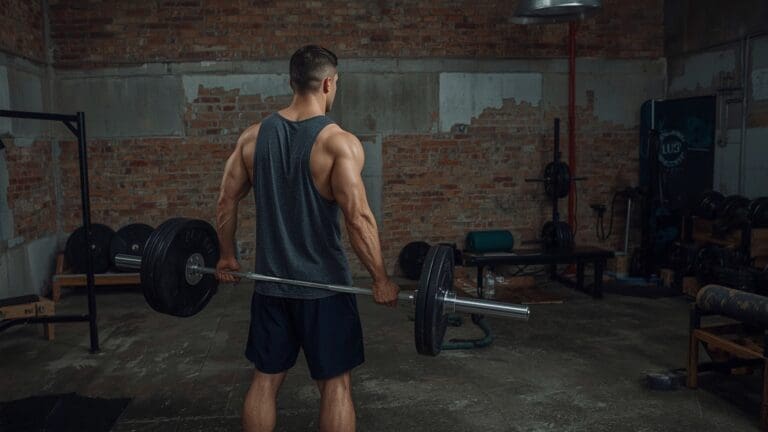
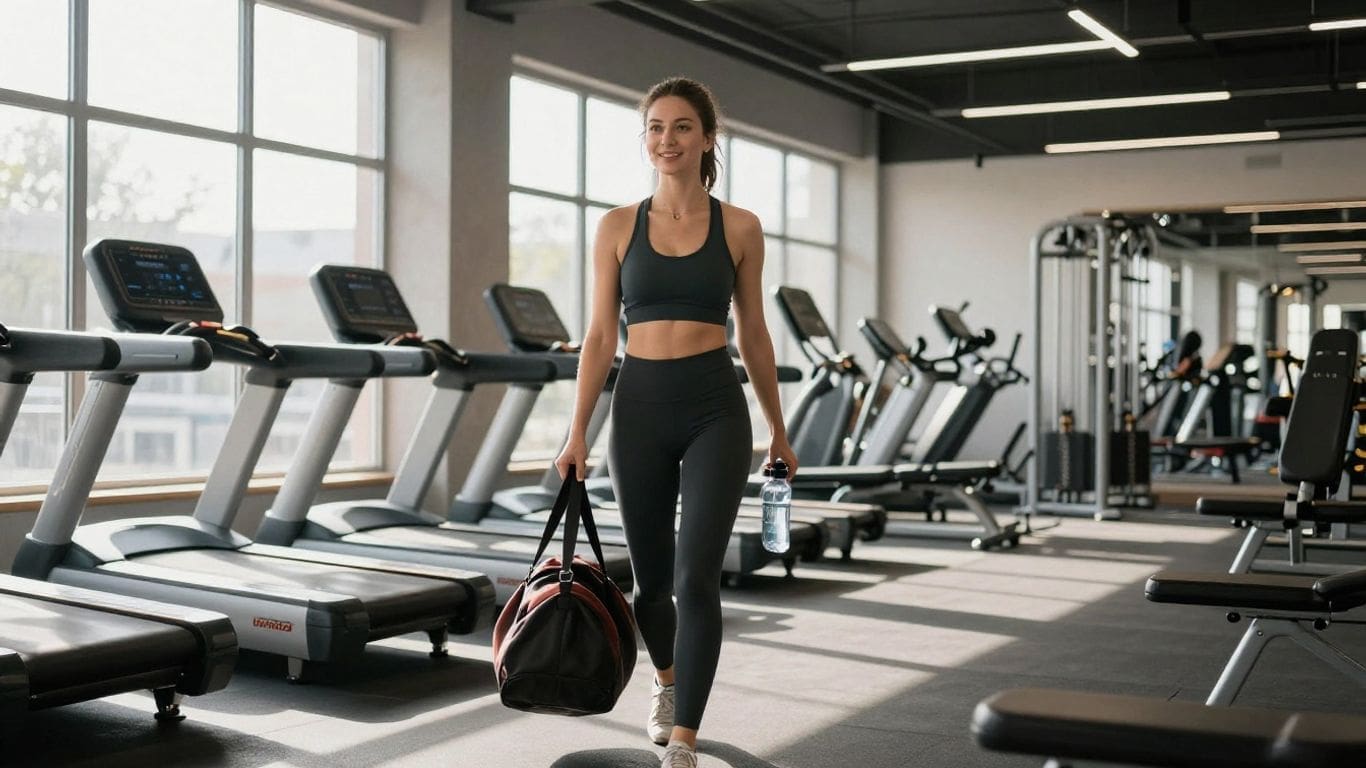
Walking into a gym for the first time can feel a little strange. You see all these machines and people who seem to know exactly what they’re doing. It’s easy to feel a bit out of place, but honestly, everyone starts somewhere. Your first day is all about getting comfortable and figuring things out. If you pack the right stuff, wear comfy clothes, and have a simple plan, you’ll feel way more confident and get a lot more out of it. This guide will walk you through what to expect on your first day at the gym, from what to bring to how to move around and get started.
Key Takeaways
- Pack a gym bag with essentials like a towel, water bottle, and your membership card. Comfortable workout clothes and supportive shoes are a must.
- Take a few minutes to explore the gym layout. Locate cardio machines, weight areas, and locker rooms. Don’t hesitate to ask staff for a quick tour if offered.
- Always start with a warm-up. Light cardio and dynamic stretches prepare your muscles and help prevent injuries.
- Keep your first workout simple. Focus on basic full-body movements and getting the form right rather than lifting heavy.
- Don’t worry about comparing yourself to others. Your first day is about learning and getting comfortable, not about performance.
Preparing For Your First Gym Visit
What to Pack in Your Gym Bag
Heading to the gym for the first time can feel like a big step, and you want to make sure you have everything you need. Packing smart means you won’t have to worry about forgetting something important, and you can just focus on your workout. It’s not about bringing the kitchen sink, but a few key items make a big difference.
Here’s a quick rundown of what should go in your gym bag:
- Water Bottle: Staying hydrated is super important, especially when you’re exercising. Bring a reusable bottle and fill it up before you go, or at the gym if they have a station.
- Towel: A small towel is good for wiping sweat off your face and body during your workout. Some gyms also require you to use a towel to wipe down equipment after you use it, which is just good gym manners.
- Workout Clothes & Shoes: More on this in the next section, but make sure you have comfortable clothes that let you move and supportive shoes.
- Gym ID/Membership Card: You’ll need this to get in, so don’t forget it!
- Optional Extras: Depending on your routine, you might want a small snack for after your workout (like a banana or some nuts), a lock for a locker if you plan to shower, and maybe headphones if you like listening to music.
Packing the right things can really help you feel more prepared and less stressed about your first gym visit. It’s all about making the experience as smooth as possible so you can concentrate on what you came to do.
Choosing the Right Workout Attire
What you wear to the gym matters. You want clothes that let you move freely without feeling restricted, and that can handle a bit of sweat. Think comfort and function over fashion, especially on your first day.
- Tops: Look for shirts made from breathable materials like cotton blends or moisture-wicking fabrics. These help keep you cool and dry. Avoid anything too tight that might dig in or too loose that could get in the way.
- Bottoms: Shorts, leggings, or sweatpants are all good choices. Again, pick something that allows for a full range of motion, whether you’re stretching, squatting, or on the treadmill. Make sure they aren’t see-through when you bend over!
- Shoes: This is pretty important. You need shoes that offer good support and grip. Running shoes or cross-trainers are usually a safe bet. They should feel comfortable and stable on your feet. Avoid flimsy shoes or anything that doesn’t feel secure, especially if you plan on using any weight machines.
Understanding Gym Etiquette
Gyms have unwritten rules, and knowing them can make your first visit much more comfortable. It’s all about being considerate of others and keeping the space clean and functional for everyone.
- Wipe Down Equipment: After you use a machine or bench, give it a quick wipe with the provided disinfectant spray and paper towels. This is a basic hygiene step that everyone appreciates.
- Re-rack Your Weights: If you use dumbbells or weight plates, put them back where they belong when you’re done. This helps others find what they need and keeps the gym tidy.
- Share Equipment: If a machine or bench is busy, don’t hog it for too long, especially if you’re resting between sets. Be mindful of others waiting to use it. Sometimes, you can even work in with someone by doing your sets while they rest on the same equipment.
- Keep Noise Down: While it’s okay to grunt a little when you’re really pushing yourself, try not to be excessively loud. Also, be mindful of your phone conversations; step away from the workout area if you need to take a call.
- Respect Personal Space: Give people enough room to do their exercises without feeling crowded. Don’t stand too close to someone who is actively working out.
Being aware of gym etiquette shows respect for the space and the people in it. It helps create a positive environment where everyone can focus on their fitness goals without unnecessary distractions or discomfort.
Navigating the Gym Floor
Walking into a gym for the first time can feel a bit overwhelming. There are machines everywhere, people seem to know exactly what they’re doing, and you might not be sure where to even start. But don’t worry, it’s totally normal to feel this way. The key is to take it slow and get familiar with your surroundings.
Getting Acquainted with the Layout
Before you jump into a workout, take about 10-15 minutes to just walk around. Get a feel for the space. Figure out where the cardio machines are, where the free weights are kept, and where the strength training machines are located. It’s also a good time to observe how other people use the gym. Notice how they share equipment and how they clean machines after use. If your gym offers a quick orientation session for new members, definitely take advantage of it. They can show you around and explain how different machines work, which can really boost your confidence.
Understanding Different Equipment Types
Gyms have a lot of equipment, and it can be confusing. Generally, you’ll see three main categories:
- Cardio Machines: These are great for getting your heart rate up and burning calories. Think treadmills, ellipticals, stationary bikes, and rowers.
- Strength Training Machines: These machines guide your movement and are often labeled for specific muscle groups (like leg press, chest press, lat pulldown). They’re good for beginners because they help you focus on the movement without worrying too much about balance.
- Free Weights: This includes dumbbells, barbells, and kettlebells. They require more balance and control, and you can do a huge variety of exercises with them. It’s best to start with lighter weights and focus on your form.
Don’t feel pressured to use every machine on your first day. It’s perfectly fine to stick to a few that you feel comfortable with. The goal is to learn, not to master everything at once.
Asking for Assistance When Needed
Seriously, don’t be afraid to ask for help. Gym staff are there to assist you, and most are happy to show you how to use a machine or explain an exercise. If you’re unsure about how to adjust a machine or perform a movement, just ask. It’s much better to ask than to risk injury or damage the equipment. You can also check out gym etiquette tips to make sure you’re being a considerate member of the gym community.
Your Initial Workout Structure
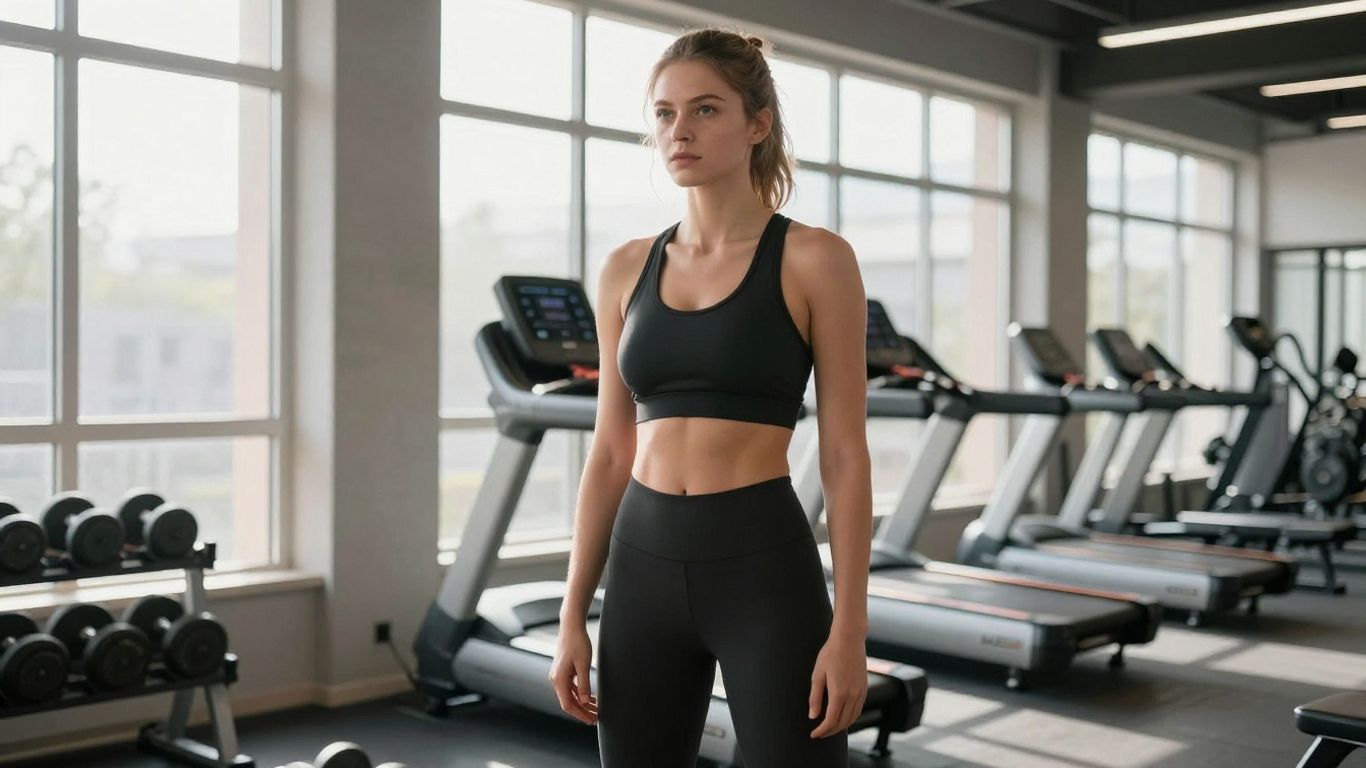
Starting your gym journey is exciting, and having a plan for your first workout can make all the difference. It’s not about pushing yourself to the limit on day one; it’s about getting comfortable, learning the basics, and setting yourself up for success. Think of this first session as an introduction, not a final exam.
The Importance of a Proper Warm-Up
Skipping the warm-up is a common mistake beginners make. It might seem like a waste of time when you’re eager to start lifting, but it’s actually super important. A good warm-up gets your blood flowing, prepares your muscles and joints for movement, and helps prevent injuries. You don’t need to spend ages on it – just 5 to 10 minutes is usually enough.
Here’s a simple way to warm up:
- Light Cardio: Hop on a treadmill for a brisk walk, use the stationary bike, or do some jumping jacks. Just get your body moving.
- Dynamic Stretches: Think arm circles, leg swings, and torso twists. These movements help loosen up your joints.
- Activation Exercises: A few bodyweight squats or push-ups can get your muscles ready for more.
A proper warm-up is your body’s way of saying ‘I’m ready for this!’ It’s a small step that pays big dividends in comfort and safety during your workout.
Designing a Simple Full-Body Routine
For your first workout, a full-body routine is the way to go. This means you’ll work several major muscle groups in one session. It’s efficient and helps you get a feel for different exercises. Don’t worry about complex splits or lifting super heavy weights just yet. The goal is to learn the movements.
Here’s a sample routine you can try:
- Leg Press or Bodyweight Squats: 2 sets of 10-12 repetitions. Focus on controlled movement.
- Lat Pulldown or Assisted Pull-ups: 2 sets of 10-12 repetitions. Feel the muscles in your back working.
- Dumbbell Shoulder Press: 2 sets of 10-12 repetitions. Keep your back straight.
- Dumbbell Rows: 2 sets of 10-12 repetitions per arm. Engage your back muscles.
- Plank: Hold for 20-30 seconds, 2 sets. Focus on keeping your core tight.
Remember, you can find a great beginner’s guide to help you get started with these exercises.
Focusing on Form Over Intensity
This is probably the most important piece of advice for your first day, and really, for every day. It’s much better to do an exercise with perfect form at a lighter weight than to struggle with a heavy weight and risk injury. Good form means the exercise is working the intended muscles effectively and safely. Watch yourself in the mirror if possible, or ask a gym staff member for a quick check. Don’t be afraid to ask questions; that’s what they’re there for. Your body will thank you for it later.
Making the Most of Your First Session
So, you’ve prepped your bag, picked out your gear, and you’re ready to hit the gym floor. Now what? The goal for your very first visit isn’t to set any personal records or do a workout that leaves you unable to walk for a week. It’s about getting a feel for the place, trying out some basic movements, and building confidence. Think of it as an exploration.
Starting with Cardio Machines
Cardio machines are usually a good place to begin. They’re straightforward to use and help get your blood flowing without requiring complex coordination. Most gyms have treadmills, ellipticals, stationary bikes, and maybe a rower. Pick one that looks interesting and hop on.
- Treadmill: You can walk, jog, or run. Start with a brisk walk and see how you feel.
- Elliptical: This offers a lower-impact option, working both your upper and lower body.
- Stationary Bike: Great for a steady-state cardio workout. Adjust the seat so your leg has a slight bend at the bottom of the pedal stroke.
Aim for about 10-15 minutes to start. Don’t worry about speed or resistance too much; just get comfortable with the motion.
Exploring Strength Training Options
After your cardio warm-up, it’s time to explore the strength area. This can seem a bit intimidating with all the machines and weights, but remember, you’re just exploring. Machines are often a good starting point because they guide your movement.
- Machine Basics: Look for machines that target major muscle groups like the leg press (for legs), lat pulldown (for back), and chest press (for chest). They usually have clear instructions on how to use them.
- Start Light: If you’re unsure about the weight, always start with the lightest setting or just the machine’s arm. Focus on moving the weight smoothly through its range of motion.
- Observe: Watch how others use the machines, but don’t feel pressured to copy them. Your journey is your own.
Incorporating Free Weights Safely
Free weights, like dumbbells and barbells, offer more freedom of movement but also require more control. For your first day, it’s best to stick to lighter dumbbells and focus on learning the form.
- Dumbbell Selection: Choose a weight that allows you to complete 8-12 repetitions with good form. If you can easily do more than 12, it might be too light. If you struggle to reach 8, it’s likely too heavy.
- Basic Movements: Try simple exercises like dumbbell rows (one arm at a time, supporting yourself on a bench), dumbbell bench presses (lying on a bench), and bicep curls.
- Control is Key: The most important thing with free weights is to control the movement both on the way up and on the way down. Don’t let gravity do all the work.
Your first gym session is all about familiarization. It’s okay to feel a little unsure. The goal is to try things out, learn how your body responds, and build a foundation for future workouts. Don’t compare yourself to anyone else; focus on your own experience and what feels right for you today.
Remember, the goal is to get a taste of different types of exercise. You don’t need to do a full, intense workout. Just moving your body and getting comfortable in the gym environment is a win for your first day.
Post-Workout and Beyond
So, you’ve finished your first gym session. Awesome! Now what? The work isn’t quite done yet. What you do right after your workout can really help your body recover and get ready for the next time.
Cooling Down and Stretching
Think of cooling down as a gentle transition back to normal. It helps your heart rate come down slowly instead of stopping abruptly. After you’re done with your main exercises, spend about 5 to 10 minutes doing something light, like walking on a treadmill or doing some gentle movements. This helps prevent blood from pooling in your legs.
After that, it’s time for some stretching. Holding stretches for about 15 to 30 seconds can help your muscles relax and might make you feel less stiff later on. Focus on the muscles you worked during your session.
Here are a few stretches to consider:
- Hamstring Stretch: Sit on the floor with one leg extended and the other bent. Reach towards your toes on the extended leg.
- Quad Stretch: Stand and pull one heel towards your glutes, keeping your knees close together.
- Chest Stretch: Stand in a doorway, place your forearm on the frame, and gently lean forward.
- Shoulder Stretch: Bring one arm across your body and use the other arm to gently pull it closer.
Reflecting on Your Experience
Once you’re home, take a moment to think about how your workout went. It’s easy to just forget about it, but a little reflection can be super helpful for your fitness journey. What felt good? What was tough? Did anything feel off or cause discomfort?
Jotting down a few notes can help you see what’s working and what you might need to adjust. It’s like keeping a simple log of your progress.
Your first day is a learning experience. Pay attention to how your body responds. This feedback is gold for planning future workouts and making sure you’re moving in the right direction.
Planning Your Next Steps
After your workout and reflection, it’s time to think about what’s next. Proper recovery is key. Make sure you’re drinking enough water and eating a meal that has some protein and carbs to help your muscles repair. Avoid heavy, fatty foods right away, as they can slow down nutrient delivery to your muscles.
Don’t feel like you need to go all-out every single time. For beginners, consistency is more important than intensity. Aim for a few sessions a week, and gradually build up. If you enjoyed your workout, think about when you can go back. Maybe aim for two or three times a week to start. Remember, every gym-goer started somewhere, so be patient with yourself and celebrate the small wins!
Common First-Day Pitfalls to Avoid

Skipping Essential Preparations
It’s easy to think you can just walk in and wing it, but skipping preparation is a fast track to feeling lost and frustrated. This means not packing the right things, wearing clothes that restrict movement, or not having a basic idea of what you want to do. Without a plan, you might wander around aimlessly, feel overwhelmed by the equipment, or even worse, do something that could lead to an injury. Think of it like going on a trip without a map or packing a bag – you’re setting yourself up for a rough time.
Overdoing It on Day One
So, you’re excited and ready to go, which is great! But sometimes, that excitement leads to trying to do too much too soon. You might see others lifting heavy weights or doing intense cardio, and feel pressured to match them. This is a big mistake. Your body isn’t used to this kind of stress yet. Pushing too hard on your first day can result in serious muscle soreness that lasts for days, making you dread coming back. It can also increase your risk of getting hurt.
Here’s a simple way to think about your first workout:
- Focus on learning: Get a feel for the movements.
- Use lighter weights: Prioritize good form over lifting heavy.
- Keep it short: A 30-45 minute session is plenty.
- Listen to your body: If something feels wrong, stop.
Feeling Intimidated by Others
Gyms can feel like a social club where everyone knows each other and has been working out for years. It’s common to feel like everyone is watching you, judging your every move. This feeling of intimidation can make you want to hide in a corner or skip your workout altogether. Remember, most people are focused on their own routines. They’ve all been beginners at some point. Instead of comparing yourself, try to see others as inspiration or simply part of the background.
The gym is a place for personal growth, not a competition. Everyone starts somewhere, and your journey is unique. Focus on your progress, not on what others are doing. It takes time to build confidence, so be patient with yourself.
Start Strong, Stay Consistent
So, you’ve made it through your first day! That’s a huge win. Remember, the gym isn’t about being perfect right away; it’s about showing up and getting a feel for the place. Don’t worry if you felt a little lost or unsure – everyone starts somewhere. The key now is to keep that momentum going. Aim for consistency, even if it’s just a couple of times a week to start. Listen to your body, celebrate the small wins, and don’t be afraid to ask for help. Your first day is just the beginning of what could be a really rewarding journey towards a healthier you.
Frequently Asked Questions
What should I bring with me to the gym?
It’s a good idea to pack a gym bag with a few essentials. You’ll definitely want a water bottle to stay hydrated, and a towel for wiping down equipment or yourself. Bringing your gym ID or membership card is also important. Some people like to bring a small snack for after their workout, like a banana or some nuts, and maybe a notebook or your phone to track your exercises.
What kind of clothes should I wear to the gym?
You want to wear clothes that let you move around easily and feel comfortable. Think stretchy fabrics that aren’t too tight. Athletic shorts or leggings and a t-shirt or tank top are usually perfect. Make sure you wear supportive athletic shoes, not just casual sneakers, especially if you plan on doing any lifting.
What if I don’t know how to use the gym equipment?
That’s totally normal for your first day! Most gyms offer a quick tour or an orientation session when you first join. Don’t be afraid to ask a staff member to show you how to use a machine. They’re there to help beginners, and it’s better to ask than to use something incorrectly and risk getting hurt.
Should I do a really hard workout on my first day?
Definitely not! Your first day is all about getting comfortable and learning the ropes. It’s much more important to focus on doing the exercises with good form than trying to lift super heavy weights or do too many reps. Start slow to avoid getting too sore or injuring yourself. You can always increase the intensity later.
What’s the point of warming up before a workout?
Warming up is super important because it gets your body ready for exercise. It helps loosen up your muscles and joints, which makes you less likely to pull something or get injured. A good warm-up usually involves about 5-10 minutes of light cardio, like walking on a treadmill, followed by some simple movements like arm circles or leg swings.
What if I feel nervous or intimidated by other people at the gym?
It’s completely understandable to feel that way! Remember that everyone at the gym was a beginner once. Try to focus on your own workout and not worry about what others are doing. Going at a less busy time, like mid-morning or late evening, might help. Bringing a friend along can also make it feel less daunting.