

Protein is the raw material your muscles use to repair and grow after training. But the question most lifters get wrong isn’t whether to eat protein — it’s how much they actually need. Too little, and your muscles can’t recover. Too much, and you’re just burning through expensive food with no extra benefit.
This guide gives you exact targets based on your body weight, training experience, and age. It also covers when to eat protein, which sources work best, and clears up the myths that have been confusing gym-goers for years.
Key Takeaways
- Target 0.7–1.0g of protein per pound of bodyweight daily — this range covers the needs of most active people, from beginners to advanced lifters.
- Heavier training demands more protein — intermediate and advanced lifters should sit at the higher end of the range to support greater muscle damage and repair.
- Older adults need more, not less — protein needs increase after age 40 due to reduced muscle protein synthesis efficiency.
- Timing matters, but total daily intake matters more — spreading protein across 3–5 meals is effective, but hitting your daily target is the priority.
- The “30g absorption limit” is a myth — your body absorbs all the protein you eat; it just processes larger amounts more slowly.
- Complete protein sources outperform incomplete ones — animal proteins and certain plant combinations provide all essential amino acids needed for muscle repair.
How Much Protein Per Day Do You Actually Need to Build Muscle?
Quick Answer: Most people building muscle need 0.7 to 1.0 grams of protein per pound of bodyweight per day. A 180-pound person should aim for 126 to 180 grams daily. Beginners sit closer to 0.7g; advanced lifters benefit from 0.9–1.0g.
The research on this is fairly consistent. A landmark meta-analysis published in the British Journal of Sports Medicine found that muscle gains plateau at around 0.72 grams of protein per pound of bodyweight (1.62g per kilogram) per day. Going slightly higher — up to 1.0g per pound — provides a buffer for hard training days and individual variation.
What you don’t need is the extreme amounts you’ll see pushed in supplement marketing. Eating 2g per pound of bodyweight doesn’t double your gains. Your body oxidizes the excess protein as fuel and excretes the nitrogen byproducts through urine.
Protein Targets by Bodyweight
| Bodyweight (lbs) | Minimum Daily Protein (0.7g/lb) | Optimal Daily Protein (0.9g/lb) | Upper Range (1.0g/lb) |
|---|---|---|---|
| 130 lbs | 91g | 117g | 130g |
| 150 lbs | 105g | 135g | 150g |
| 170 lbs | 119g | 153g | 170g |
| 190 lbs | 133g | 171g | 190g |
| 210 lbs | 147g | 189g | 210g |
| 230 lbs | 161g | 207g | 230g |
Does Your Training Level Change How Much Protein You Need?
Quick Answer: Yes. Beginners build muscle efficiently at 0.7g per pound of bodyweight. Intermediate lifters benefit from 0.8–0.9g. Advanced lifters training at high volume should target 0.9–1.0g to support greater muscle breakdown and repair.
Here’s the logic: when you’re new to lifting, your muscles respond aggressively to training. The signal to grow is strong, and relatively modest protein intake supports that process well. As you advance, the training stimulus must increase to keep driving adaptation, and more muscle tissue is being broken down per session.
Advanced lifters also tend to train more frequently with higher volume — more sets, more sessions per week. That increased breakdown demands more protein to keep repair ahead of breakdown.
Protein Needs by Training Level (EAV Table)
| Training Level | Experience | Protein Target (g/lb bodyweight) | Meals per Day | Key Priority |
|---|---|---|---|---|
| Beginner | 0–12 months | 0.7–0.8g | 3–4 | Hitting daily total |
| Intermediate | 1–3 years | 0.8–0.9g | 4–5 | Consistency across training days |
| Advanced | 3+ years | 0.9–1.0g | 4–5 | Post-workout protein + pre-sleep dose |
| Competitive/High Volume | 5+ years, 5–6 sessions/week | 1.0g+ | 5–6 | Leucine-rich sources at each meal |
How Does Age Affect Your Protein Requirements for Muscle Growth?
Quick Answer: Adults over 40 need more protein than younger lifters — typically 0.9–1.1g per pound of bodyweight. Aging reduces muscle protein synthesis efficiency, a process called anabolic resistance. Higher protein intake and leucine-rich meals help compensate for this decline.
Muscle protein synthesis (MPS) — the biological process where your body builds new muscle tissue — becomes less efficient as you age. A 20-year-old and a 55-year-old can eat the same amount of protein after a workout, but the older person will trigger a smaller MPS response.
This is called anabolic resistance. It doesn’t mean older adults can’t build muscle — they absolutely can — but it does mean they need a higher protein dose per meal to hit the same MPS threshold. Research suggests older adults need at least 40g of protein per meal to maximize MPS, compared to about 20–25g for younger lifters.
Protein Recommendations by Age Group
| Age Group | Daily Protein Target (g/lb) | Minimum Per Meal (g) | Key Consideration |
|---|---|---|---|
| 18–35 | 0.7–0.9g | 20–30g | Standard MPS response |
| 35–50 | 0.8–1.0g | 30–35g | Early anabolic resistance begins |
| 50–65 | 0.9–1.1g | 35–40g | Anabolic resistance increases |
| 65+ | 1.0–1.2g | 40g+ | Leucine supplementation may help; risk of sarcopenia |
Sarcopenia is the age-related loss of muscle mass. It accelerates after age 60 and is directly linked to low protein intake combined with reduced activity. Strength training and adequate protein are the two most evidence-backed tools for slowing it down.
What Are the Best Protein Sources for Building Muscle?
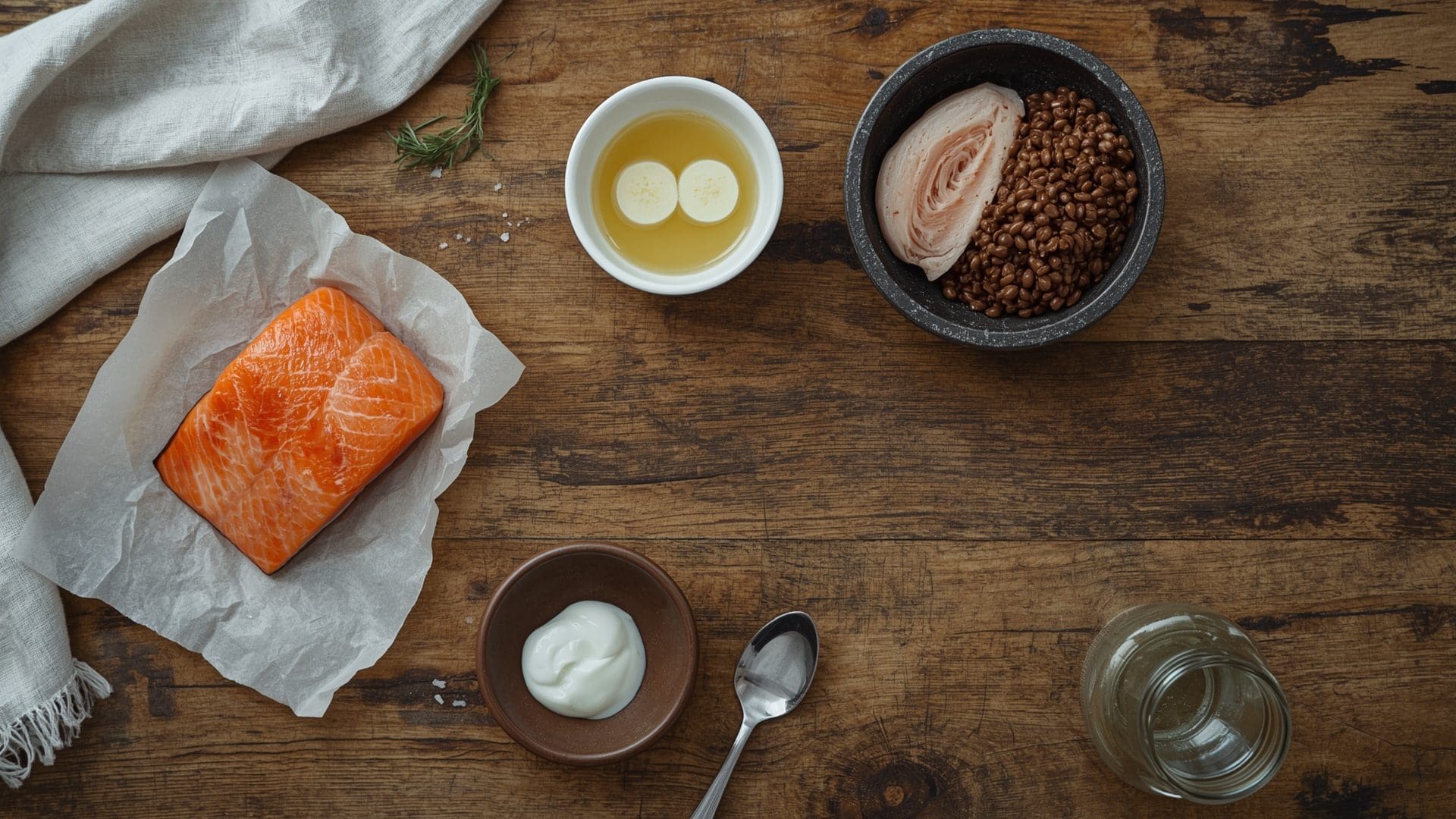
Quick Answer: The best protein sources for muscle building are lean meats, eggs, dairy, and fish — all complete proteins containing all essential amino acids. Plant-based lifters can use soy, quinoa, or combine legumes with grains to cover all amino acids.
Not all protein is created equal. What matters most is the amino acid profile, especially leucine. Leucine is the amino acid that acts as the primary trigger for muscle protein synthesis. If a protein source is low in leucine, it produces a weaker MPS response regardless of how many total grams you consume.
Protein Source Comparison (EAV Table)
| Protein Source | Protein per 100g | Complete Protein? | Leucine Content | Digestibility Score (DIAAS) |
|---|---|---|---|---|
| Chicken breast | 31g | Yes | High (2.4g/100g) | ~1.08 |
| Whole eggs | 13g | Yes | High (1.0g/100g) | ~1.13 |
| Greek yogurt (low-fat) | 10g | Yes | Moderate (0.9g/100g) | ~1.10 |
| Salmon | 25g | Yes | High (2.1g/100g) | ~1.00 |
| Whey protein powder | 80g (dry) | Yes | Very High (10.9g/100g) | ~1.09 |
| Black beans | 8.9g (cooked) | No | Low (0.6g/100g) | ~0.75 |
| Tofu (firm) | 8g | Yes | Low (0.7g/100g) | ~0.84 |
| Lentils (cooked) | 9g | No | Low (0.65g/100g) | ~0.60 |
DIAAS stands for Digestible Indispensable Amino Acid Score. It measures both how much protein is absorbed and how well the amino acid profile matches what your body needs. A score above 1.0 means the protein meets or exceeds human requirements. Animal proteins consistently score above 1.0; most plant proteins fall below.
How Can Plant-Based Lifters Hit Their Protein Targets?
Plant-based protein is absolutely workable for muscle building. The key is combining incomplete protein sources to cover all essential amino acids. Rice and beans, hummus and pita, or soy-based products like tempeh and edamame are all practical combinations. Soy is the standout among plant proteins — it’s a complete protein with a DIAAS of about 0.91, making it the closest plant source to animal proteins.
Plant-based lifters typically need to eat 10–15% more total protein than the standard targets above, because plant protein has lower bioavailability on average. If your target is 180g of protein per day, aim for 195–205g if most of your sources are plant-based.
Does Protein Timing Actually Matter for Muscle Growth?

Quick Answer: Protein timing has a small but real effect. Spreading 3–5 protein meals throughout the day maximizes muscle protein synthesis better than front-loading. Post-workout protein within 2 hours is helpful, but the anabolic window is wider than most people think.
For years, gym culture pushed the idea of a narrow “anabolic window” — a 30-minute period after training where you must consume protein or lose your gains. Current research shows the window is actually 2–3 hours on either side of your workout. Eating a protein-rich meal before training can cover the post-workout period entirely.
What matters more than the exact post-workout window is meal distribution across the day. Muscle protein synthesis responds to protein doses, but MPS activity only stays elevated for about 3–5 hours after a protein-containing meal. Spacing meals 3–5 hours apart keeps MPS elevated more consistently than eating all your protein in one or two sittings.
Is Pre-Sleep Protein Worth Taking?
Yes, and the evidence is solid. A 40g dose of casein protein — the slow-digesting milk protein — taken 30 minutes before sleep increases overnight muscle protein synthesis. This is especially useful for intermediate and advanced lifters who are training hard and want to maximize every recovery window. Cottage cheese, Greek yogurt, or a casein protein powder shake are all good pre-sleep options.
Optimal Daily Protein Distribution
| Meal Timing | Recommended Protein Dose | Best Sources | Purpose |
|---|---|---|---|
| Breakfast (within 1 hr of waking) | 30–40g | Eggs, Greek yogurt, whey shake | Break overnight fast, initiate MPS |
| Pre-workout meal (1–2 hrs before) | 20–40g | Chicken, turkey, cottage cheese | Amino acid availability during training |
| Post-workout meal (within 2 hrs) | 30–50g | Whey protein, lean meat, fish | Trigger MPS after muscle damage |
| Dinner | 30–45g | Salmon, beef, tofu, legumes | Sustained protein synthesis in evening |
| Pre-sleep snack (30 min before bed) | 30–40g | Casein powder, cottage cheese | Overnight MPS and reduced breakdown |
What Are the Biggest Protein Absorption Myths Holding You Back?
Quick Answer: The most common myth is that your body can only absorb 20–30 grams of protein per meal. This is false. Your body absorbs all protein you eat — larger amounts are processed more slowly. The real limit is how much protein can stimulate muscle protein synthesis per meal.
Myth 1: You Can Only Use 30g of Protein Per Meal
Your digestive system absorbs protein gradually. After a large protein meal, amino acids continue entering your bloodstream for 5–7 hours. What the research actually shows is that muscle protein synthesis is maximally stimulated at around 20–40g of protein per meal (depending on age and body size). Eating 80g in one sitting won’t cause harm — the extra protein is used for energy or other metabolic functions, not wasted.
Myth 2: Plant Protein Can’t Support Muscle Growth
Plant protein can absolutely support muscle building. The limitation is lower leucine content and reduced bioavailability — not an inability to build muscle. Lifters who eat more total plant protein and prioritize leucine-rich plant sources like soy and edamame consistently build muscle comparable to omnivores. It requires more planning, but it works.
Myth 3: Protein Powder Is Necessary
Protein powder is a convenient tool, not a requirement. Whole foods provide protein alongside micronutrients, fiber, and satiety cues that powders lack. Whey protein is useful when you’re struggling to hit your daily target through food alone. If you can reach 0.7–1.0g per pound through whole foods, you don’t need a supplement at all.
Myth 4: High Protein Intake Damages Your Kidneys
This concern applies to people with pre-existing kidney disease, not healthy adults. Multiple long-term studies have found no evidence of kidney damage in healthy individuals eating 1.0–1.5g of protein per pound of bodyweight. If you have a known kidney condition, consult your doctor before increasing protein intake significantly.
How Does Protein Fit Into Your Overall Calorie Goals for Muscle Growth?

Quick Answer: Protein contributes 4 calories per gram. A 180-pound lifter eating 180g of protein gets 720 calories from protein alone. The remaining calories come from carbohydrates and fats, which fuel training and support hormone production needed for muscle growth.
Protein doesn’t work in isolation. To build muscle, your total calorie intake needs to support a slight caloric surplus — typically 200–500 calories above your maintenance level. If you’re eating enough protein but not enough total calories, your body will burn dietary protein for energy instead of using it for muscle repair.
Carbohydrates are the primary fuel for resistance training. Cutting carbs too aggressively while trying to build muscle reduces training performance, which limits the stimulus for muscle growth. Fats support testosterone and other anabolic hormones. A ratio of roughly 30–35% protein, 40–45% carbohydrates, and 20–25% fat works well for most people in a muscle-building phase.
Should You Eat More Protein While in a Calorie Deficit?
Yes — significantly more. When you’re eating below maintenance calories (a cutting phase), your body is more likely to break down muscle tissue for energy. Research consistently shows that eating 1.0–1.2g of protein per pound of bodyweight during a calorie deficit helps preserve muscle mass while losing fat. This is called muscle-sparing nutrition, and it’s one of the most evidence-backed strategies in body composition research.
Are Protein Supplements Actually Worth Using?
Quick Answer: Protein supplements are effective and convenient but not essential. Whey protein is the most studied and offers rapid absorption ideal for post-workout use. Casein is best pre-sleep. Plant-based options like pea and soy protein are strong alternatives for people avoiding dairy.
Whey vs. Casein vs. Plant Protein: What’s the Difference?
Whey protein digests quickly — amino acids enter your bloodstream within 60–90 minutes. This makes it the best choice immediately after training when you want fast delivery to muscle tissue. Casein digests slowly over 5–7 hours, making it ideal before sleep. Plant-based proteins like pea and brown rice are solid alternatives. Combining pea and rice protein provides a complete amino acid profile comparable to whey.
The supplement industry often overstates the differences between protein types. For most lifters, the brand or flavor matters less than consistently hitting your daily protein target.
How Do You Know If You’re Eating Enough Protein to Build Muscle?

Quick Answer: Track your intake for 2 weeks using a food diary or app. If you’re consistently hitting your target, training hard, and gaining 0.25–0.5 lbs per week in a muscle-building phase, your protein intake is working. Stalled progress combined with muscle soreness lasting more than 72 hours may signal under-eating protein.
The most practical sign of insufficient protein is prolonged soreness (delayed onset muscle soreness, or DOMS, lasting more than 3 days) combined with a lack of strength progression over several weeks. Your body signals inadequate recovery before you see muscle loss on a scale.
If you’re gaining strength and recovering well between sessions, your protein intake is likely sufficient — even if you’re slightly below the theoretical optimal. Individual response varies, and some lifters thrive at 0.7g per pound while others stall until they push toward 1.0g.
Frequently Asked Questions
Can you build muscle on less than 0.7g of protein per pound of bodyweight?
Some beginners can make progress at lower intakes because the training stimulus is so strong. But 0.7g per pound is considered the minimum effective dose for consistent muscle growth in most active adults. Going below this consistently slows recovery and limits long-term progress.
Does it matter if you get protein from shakes or whole foods?
Your muscles don’t distinguish between a chicken breast and a whey shake — both deliver amino acids. Whole foods add fiber, vitamins, and minerals that shakes lack. A practical approach is to use whole foods as your foundation and protein shakes to fill gaps when meals are inconvenient.
Is it possible to eat too much protein while building muscle?
Eating far above 1.0g per pound doesn’t cause harm in healthy adults, but it also doesn’t increase muscle gains beyond what adequate intake already provides. The excess protein is converted to glucose or fat for energy. Going above 1.2g per pound is unnecessary for most lifters and just adds cost and calories.
How quickly does protein intake affect muscle recovery?
Muscle protein synthesis begins within 1–2 hours after a protein-containing meal. Recovery improvement from consistently adequate protein intake is typically noticeable within 1–2 weeks — primarily as reduced muscle soreness and faster readiness for the next training session.
What is leucine, and why does it matter for muscle growth?
Leucine is an essential amino acid — one your body can’t produce on its own. It acts as the main molecular trigger for muscle protein synthesis by activating the mTOR pathway, which is the primary signaling process for muscle repair and growth. Foods high in leucine, like whey protein, chicken, and eggs, produce stronger MPS responses per gram of protein eaten.
Does eating more protein help with fat loss while building muscle?
Protein is the most satiating macronutrient. It reduces hunger and helps preserve lean muscle during a calorie deficit, which is called body recomposition. Eating at the higher end of the protein range (0.9–1.0g per pound) during a cutting phase helps maintain muscle mass while your body burns fat for fuel.